Speech
United Nations Headquarters
New York · leadership, inclusion and human potential
Source and context
PaJoof Reimagined speaking archive · reviewed 14 November 2026.
ARTICLE 12 · UNCRC — EVERY CHILD HAS THE RIGHT TO BE HEARD
A PROGRAMME OF MAKING IT HAPPEN NOW CIC
Family and Disability Alliance · Speaking
Not for me,
without me.
International-stage experience. A father's perspective. The human side of SEND. A keynote that brings the child's voice into the room with the people making decisions.
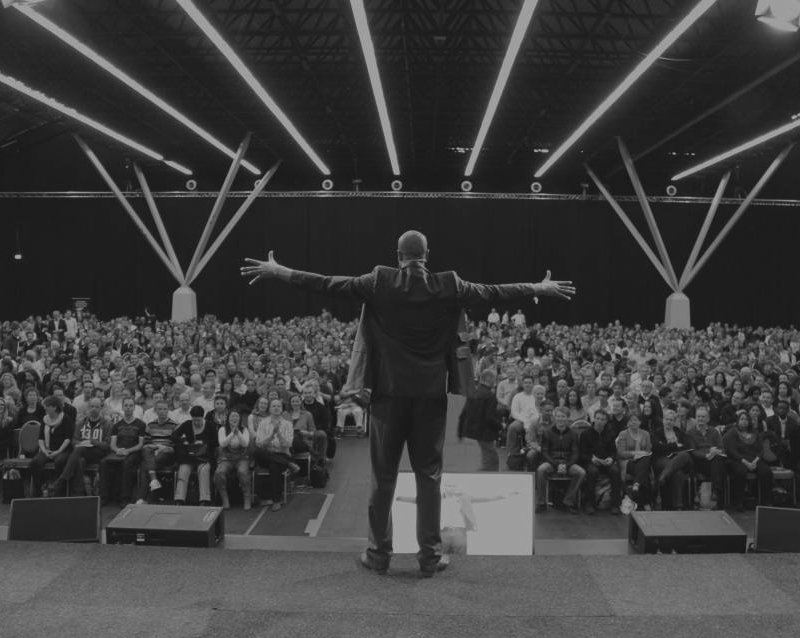
Archive stage photograph from Pa's wider speaking career.
Selected wider-career appearances
Speech
New York · leadership, inclusion and human potential
PaJoof Reimagined speaking archive · reviewed 14 November 2026.
Leadership session
Leadership and performance session for bank teams
PaJoof Reimagined speaking archive; pajoof.com client archive · reviewed 14 November 2026.
View Pa's published archiveInterview
Guest interview · wider personal-development work
PaJoof Reimagined speaking archive · reviewed 14 November 2026.
Selected appearances from Pa's wider career, recorded in his published speaking archive. Dates are not supplied in those records. These are not SEND bookings or endorsements of the Alliance.
FLAGSHIPThe conference conversation
Proposed keynote · 45–60 minutes
A child can be the subject of every report — and still be missing from the conversation.
Pa brings together the presence of a speaker whose wider career spans international, corporate and interview settings with the perspective of a father navigating SEND. The subject is not paperwork alone. It is what happens between people when trust is strained and decisions matter.
For conference openers, school leaders and family–professional gatherings: a shared starting point, then three questions to take into the next meeting. SEND means special educational needs and disabilities.
Three questions. A different starting point.
Begin with the person's priorities, not only the agenda or the report.
Make room for different ways of communicating, rather than expecting everyone to speak in the same way.
Connect listening to what happens next — and explain decisions that differ from the child's view.
01The person behind the perspective
Pa's wider speaking career includes leadership, inclusion and human-potential conversations. He comes to SEND as a father, not a detached commentator. Navigating education, health and care with his family brought one question into sharp focus: where is the child's voice in the decisions being made?
He co-founded the Family and Disability Alliance with Dr Ancha Bala-Joof. The speaking programme brings that same principle into the room with families, practitioners and leaders — not to assign blame, but to start a better conversation.
Sessions draw on lived experience without disclosing private case records or identifying people involved in live proceedings.
For the person choosing the speaker
Choose the flagship keynote when families and professionals need a shared starting point — one that recognises pressure without making anyone the enemy.
Explore a workshop or leadership session for a more focused conversation about listening, difficult meetings or rebuilding trust.
Agree the audience, objectives, access arrangements and takeaway questions in the event brief. Fees, recording permissions and scope are confirmed in writing.
02The proposed programme
Choose a starting point for your audience. Scope, availability and the final session brief are agreed before a booking is confirmed.
10 sessions
Keynote · 45–60 minutes
The human side of SEND: what changes when a child's voice is the starting point, rather than an afterthought.
Take back: Three questions to bring back to every decision about a child.
Keynote · 45 minutes
A parent's perspective on staying human when support breaks down, without turning families and professionals against each other.
Take back: A shared language for moving from conflict towards collaboration.
Keynote or half-day workshop
Wellbeing for parents, special educational needs coordinators (SENCOs), teachers and caseworkers: staying human in difficult meetings and recognising the limits of what one person can carry.
Take back: Practical reflection on pressure, boundaries and difficult meetings; not clinical treatment.
Workshop · 90 minutes to half day
Making room for children who communicate differently, including non-speaking children, in reviews and everyday decisions.
Take back: A meeting approach that begins with communication preferences and records the child's view.
Leadership session · duration agreed with organiser
For leaders rebuilding relationships with families: what shared decision-making looks like when people have disagreed, and how to listen without reducing participation to a box to tick.
Take back: Questions for examining how your organisation listens and responds.
Keynote or breakout · 45 minutes
Looking beyond the diagnosis to siblings and young carers whose contribution can go unnoticed.
Take back: Prompts for noticing siblings and seeking appropriate support.
Keynote or workshop · duration agreed with organiser
Preparing for adulthood across education, health, care and family life: who needs to be in the conversation, what needs planning, and how to keep the young person's priorities in view.
Take back: A cross-service conversation about transition, not individual legal advice.
Keynote or panel
A candid conversation about fathers' experiences and how meetings, networks and services can invite them in.
Take back: Practical questions for making family engagement more inclusive.
Keynote or workshop
Trust, language, culture and faith: hearing families whose experiences are too often absent from the conversation.
Take back: Reflection on assumptions and barriers to asking for support.
Keynote or technology panel · duration agreed with organiser
Organising paperwork, preparing for meetings and using digital tools without handing over judgement. A conversation about what technology can help with, what it cannot decide, and protecting private family information.
Take back: A discussion of useful technology and its safeguards, not a product or security guarantee.
03The work behind the words
This short narrated film introduces the Family and Disability Alliance. It is an explainer of the work, not footage of Pa delivering a keynote.
Speaking sessions offer lived-experience perspectives and practical reflection, not legal advice, representation or clinical care. Training recognition is not assumed.
A child can be the subject of every report — and still be missing from the conversation.
Decisions about their education. Their care. Their future.
The Family and Disability Alliance works to keep a child's voice at the centre of those decisions, and supports the families who love them.
Here, you can tell us what is happening and ask for casework support. Follow the stage of your request. Sign in to your family portal to see your requests and membership details together.
You can join the alliance, explore our programmes, or add your name to the Right to Be Asked campaign.
We cannot promise to fix everything. But a child should not be left out of decisions about their own life.
Ask for help. Join us. Add your voice.
Find your next step at fada.org.uk.
04For your event
Tell us who will be in the room, the conversation you want to open, and your date, format and budget. Fees, access requirements and contracting arrangements are agreed in writing.
The book carries the same question as the keynote: what if the child at the centre of a decision was asked first?